
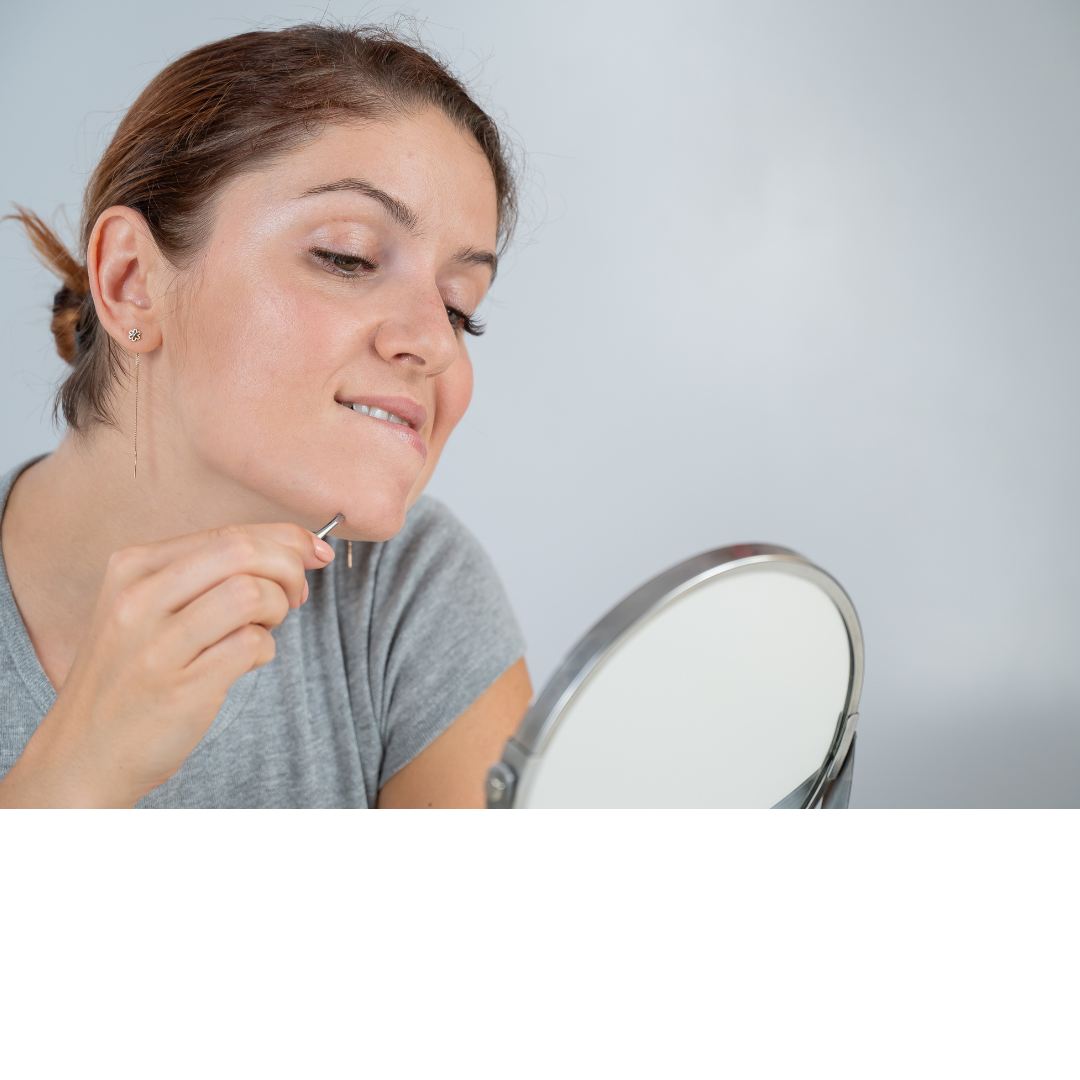
Polycystic ovary syndrome (PCOS) is a condition impacting millions of women globally, accompanied by a variety of symptoms that often extend past reproductive health. Among the notable challenges faced by women with PCOS are skin-related issues such as hirsutism, acne, and hyperpigmentation, all of which can significantly affect self-esteem and confidence. Fortunately, incorporating the right ingredients into skincare routines can effectively address these concerns and promote both the health and appearance of the skin. This blog post delves into the beneficial roles of turmeric, lemon, African black soap, charcoal, and kojic acid in improving skin health for women navigating the complexities of PCOS.
1. Turmeric:
Turmeric, a vibrant yellow spice, possesses anti-inflammatory and antioxidant properties. Its key component, curcumin, can help combat acne by reducing inflammation and inhibiting the growth of acne-causing bacteria. Turmeric also assists in fading hyperpigmentation, thanks to its ability to inhibit melanin production and lighten dark spots, resulting in a more even skin tone. Our
and our
are forumulated with turmeric and other targeted ingredients to help combat inflammation and hyperpigmentation
2. Lemon:
Lemon, renowned for its high vitamin C content, acts as a natural exfoliant and astringent. Its citric acid helps unclog pores, remove dead skin cells, and reduce acne breakouts. Lemon also exhibits lightening properties, diminishing the appearance of hyperpigmentation. However, due to its acidity, it is crucial to dilute lemon juice before applying it to the skin to prevent irritation.
3. African Black Soap:
African black soap, derived from plantain skins, palm kernel oil, and cocoa pod ash, is a traditional remedy that can aid women with PCOS in achieving healthier skin. This soap gently cleanses the skin without stripping away natural oils, maintaining a balanced pH level. It is particularly beneficial for acne-prone skin, as it unclogs pores, controls excess oil, and reduces inflammation. Moreover, African black soap can help diminish hyperpigmentation and even out skin tone, leaving the skin with a natural glow. Check out our best-selling
that is formulated with African black soap, black pepper and lavender to sooth and heal your skin.
4. Charcoal:
Charcoal has gained popularity in skincare due to its ability to draw out impurities and toxins from the skin. It acts as a magnet, absorbing excess oil, dirt, and bacteria that can contribute to acne breakouts. Charcoal masks or cleansers can provide a deep cleanse, leaving the skin feeling refreshed and detoxified. However, it is essential to use charcoal products in moderation to prevent over-drying the skin.
5. Kojic Acid:
Kojic acid is a natural compound derived from various fungi, particularly Japanese mushrooms. It is a powerful skin lightener that helps reduce the appearance of hyperpigmentation and age spots by inhibiting the production of melanin. Kojic acid also possesses antioxidant properties, which can protect the skin from environmental damage. It is commonly found in serums, creams, and soaps formulated for brightening the skin.
For women with PCOS, skincare can be a vital component of self-care and overall well-being. While there is no one-size-fits-all solution, incorporating skincare products with ingredients like turmeric, lemon, African black soap, charcoal, and kojic acid can address the specific concerns of hirsutism, acne, and hyperpigmentation. These ingredients, each with their unique benefits, offer promising potential in improving the skin's health and appearance. Remember, consistency and patience are key when embarking on a skincare journey, and consulting with a dermatologist can provide personalized guidance for optimal results.